Key Takeaways
Transitioning to a life abroad requires thoughtful planning, especially when navigating the diverse options across the country. Understanding property regulations, regional benefits, and financial requirements ensures your new chapter remains filled with comfort and security.
- Diverse residential options range from master-planned gated communities to independent mountain homes.
- Guanacaste offers premium coastal living with steady rental returns, while the Central Valley provides cooler, temperate climates.
- Residency paths, such as the Pensionado or Investor options, are essential foundations for long-term stability.
- Medical infrastructure in private urban hospitals meets international standards, significantly enhancing local quality of life.
- Thoroughly vetting neighborhood security, management, and community amenities is critical before finalizing any investment.
Understanding the landscape of retirement communities in Costa Rica
Moving to a new country involves finding a place that aligns with your personal vision of comfort and connection. The market for Costa Rica retirement communities is quite varied, reflecting the country's diverse topography and social atmosphere. Most prospective residents find that aligning their expectations with local realities is the first step toward settling in successfully.
Defining the different types of residential developments
Residential developments in the region generally fall into a few primary categories. You will find self-contained luxury projects that feature resort-like amenities, as well as smaller enclaves integrated into existing local towns. Some projects focus on long-term residency with sustainable or eco-friendly designs, whereas others prioritize vacation-style layouts aimed at part-time occupants.
Distinguishing between master-planned communities and individual gated neighborhoods
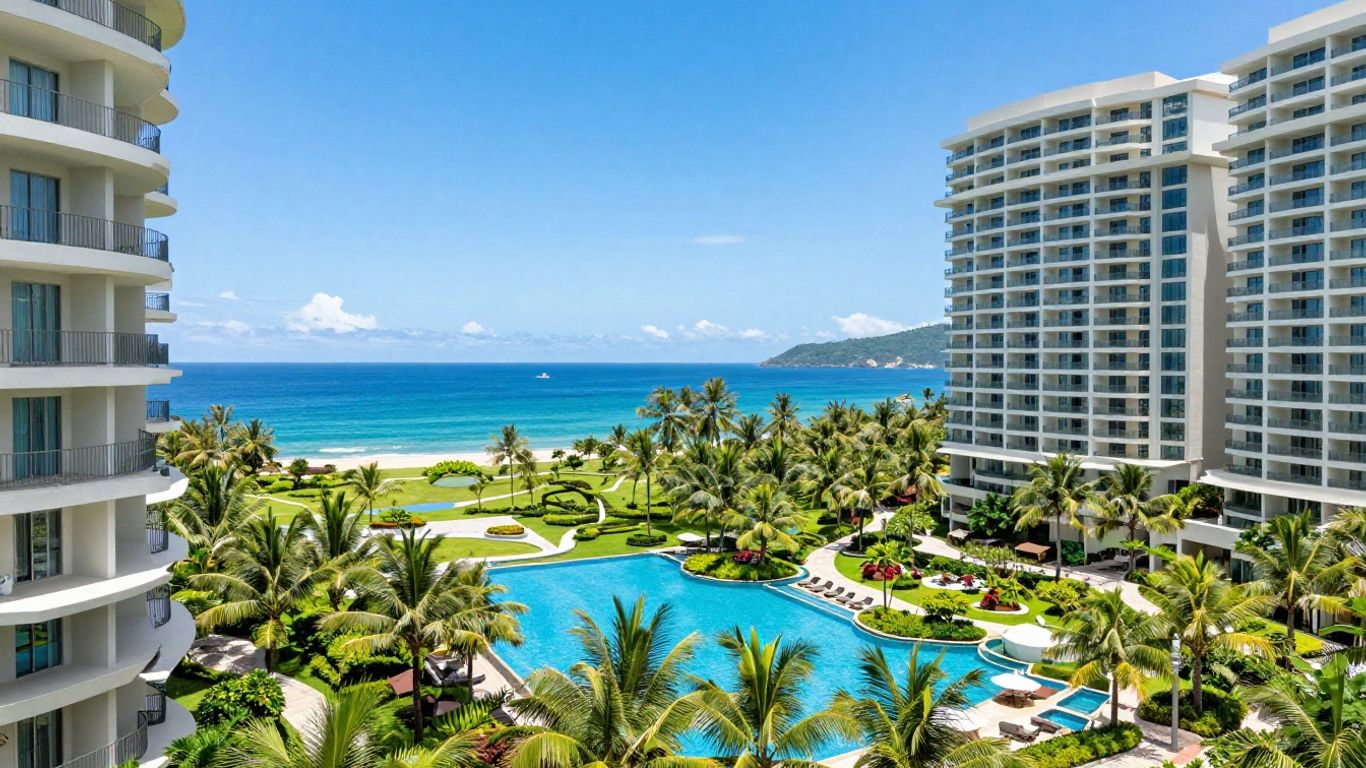
Master-planned communities operate under a unified vision, often including integrated infrastructure, common park areas, and strict building guidelines. In contrast, individual gated neighborhoods typically offer a higher degree of architectural diversity and smaller, more intimate associations. Opting for a managed environment like Arcadia at Brasilito Beach Residences provides a balance of modern, turnkey finishes alongside the inherent benefits of a cohesive, secure community.
Examining the role of homeowners associations in Costa Rica
Homeowners associations (HOAs) play a pivotal role in maintaining the value and functional integrity of residential complexes. They are responsible for managing communal spaces, security protocols, and shared utility systems which are vital for a stress-free living experience. Understanding these fee structures early allows you to accurately forecast your long-term monthly overhead without unexpected surprises.
Pros and cons of living in established expat hubs versus local towns
Choosing between a bustling expat center and a quiet, authentic village is a major decision that shapes your day-to-day interactions.
| Location Type | Advantages | Challenges |
|---|---|---|
| Expat Hubs | Social connectivity, easy services | Higher costs, less local immersion |
| Local Towns | Authentic culture, lower price | Language requirements, fewer services |
| Mixed Corridor | Best of both, high appreciation | Competitive inventory, faster growth |
Careful consideration of these tradeoffs helps you prioritize what matters most to your daily rhythm, whether it is high-end networking opportunities or the quiet simplicity of a traditional lifestyle.
Top regions for retirement living in Costa Rica
Finding the perfect geography is often about balancing your desire for a specific climate with your need for creature comforts. Whether you prefer the golden sunsets of the Pacific or the lush, cooler air of high-altitude regions, each territory presents a unique set of lifestyle rewards. The right choice rests on your priority for leisure versus access to active infrastructure.
Coastal living in the Guanacaste province
This region is renowned for its consistent weather, with a dry season that draws people looking for reliable daily sunshine. Many individuals are drawn to this area for its accessibility to high-quality medical care and the cost of living in Guanacaste that remains surprisingly manageable for expats.
The temperate climate of the Central Valley
If you prefer cooler temperatures over tropical humidity, the Central Valley serves as the perfect mountain sanctuary. Its proximity to the capital city provides unmatched access to administrative offices, theaters, and specialty shopping that you might find missing in more rural coastal locations.
Upscale life in the Southern Zone
Characterized by lush jungles meeting the ocean, the Southern Zone offers a more rugged, dramatic landscape for those seeking privacy. This area is perfect for nature lovers who appreciate biodiversity and are looking for a quieter, more meditative way of life among the canopy.
Beachfront communities versus mountain retreats
Beachfront living often centers around walkable corridors, such as the Arcadia at Brasilito Beach Residences, where you can step directly from your home into the Pacific surf. Mountain retreats, while potentially physically isolated, offer cooler breezes and extensive agricultural land. Choosing between these depends on whether your daily routine flows better with sand between your toes or mountain vistas outside your balcony.
Legal and financial considerations for expats
Taking care of the regulatory foundation for your move is essential for maintaining your status as a legal resident. Navigating these requirements demands attention to detail, especially regarding your income status and intended investment. Seeking advice from experienced professionals can help prevent unnecessary roadblocks during your transition and subsequent residency process.
Understanding residency requirements and income proof
Costa Rica offers several residency pathways, with the Pensionado and Rentista programs being the most common for retirees. Demonstrating steady income or qualifying capital is a requirement for approval, so preparing your financial documentation several months in advance is always a wise move.
Tax implications for foreign income and property taxes
Generally, the country follows a territorial tax system, meaning income earned outside the borders is often not subject to local taxation. Residents do, however, need to stay mindful of the low annual property taxes and how their home country's regulations may impact their tax status back home.
Navigating the property buying process as a non-resident
Foreigners have the same property ownership rights as citizens, which makes Costa Rica investment properties an attractive asset class. Utilizing clear, fee-simple titles provides security, yet you must ensure that your attorney conducts thorough due diligence on all land registries before signing any purchase agreements.
Potential pitfalls in local real estate contracts
Always ensure that contracts are clearly written in both Spanish and your primary language to avoid misunderstandings regarding clauses or deposit terms. Consulting an independent legal expert to bypass sales-focused staff ensures your rights are protected throughout the entire closing process.
Evaluating infrastructure and access to medical care
Your long-term independence in a new country depends heavily on the robustness of local services. While the quality of life is high, assessing the reliability of essential services like internet and hospitals remains a critical part of your site evaluation process.
Proximity to high-quality private hospitals and clinics
Access to international-standard healthcare is widely available in urban centers where most private clinics are located. This superior level of service allows for routine maintenance and advanced care that compares favorably to many North American providers.
Reliability of utilities and high-speed internet connections
Infrastructure has improved drastically, particularly in gated communities that prioritize modern technology for residents. It is important to confirm that any remote property you choose has consistent access to core utilities, as rural areas can sometimes struggle with seasonal fluctuations.
Accessibility to international airports and infrastructure
Easy entry to international airports acts as a major link to your past life and family. You should prioritize areas that are within a two to three-hour drive of major aviation hubs to make travel days manageable rather than stressful, particularly if you are considering a part-time ownership model.
The importance of road quality for remote locations
Choosing a property that is deep in the backcountry requires understanding the annual impact of the rainy season on local roads.
- 1Confirm the drainage conditions of your access road.
- 2Verify the maintenance schedule for local infrastructure.
- 3Research how residents reach town during heavy weather.
- 4Ensure your vehicle of choice matches the local terrain.
Keeping these points in mind helps ensure you are never stranded when travel is necessary.
Lifestyle factors to consider before making the move
Integration into your new neighborhood is just as much about building social bonds as it is about finding the right house. Feeling truly at home requires you to participate in local culture while maintaining the comforts that have defined your lifestyle until now.
Assessing the cultural climate of the local expat community
Communities vary in their degree of social interaction, with some acting as very close-knit support networks while others remain more private. It can be quite helpful to use an life insurance broker or other locally established professionals to gain honest insight into how different areas fit the profiles of incoming residents.
Availability of social clubs and volunteer opportunities
Giving back to the local environment is a great way to respect the 'Pura Vida' culture deeply. Whether you spend your time at local animal shelters or gardening committees, these efforts build real reputation and friendship within the local community.
Navigating language barriers in rural versus urban areas
In tourist-frequented coastal zones, English is universally understood, while more rural locations will demand a basic proficiency in Spanish. Showing the effort to learn even a few conversational phrases will greatly increase your acceptance and the quality of your daily interactions.
Recreational activities beyond the retirement grounds
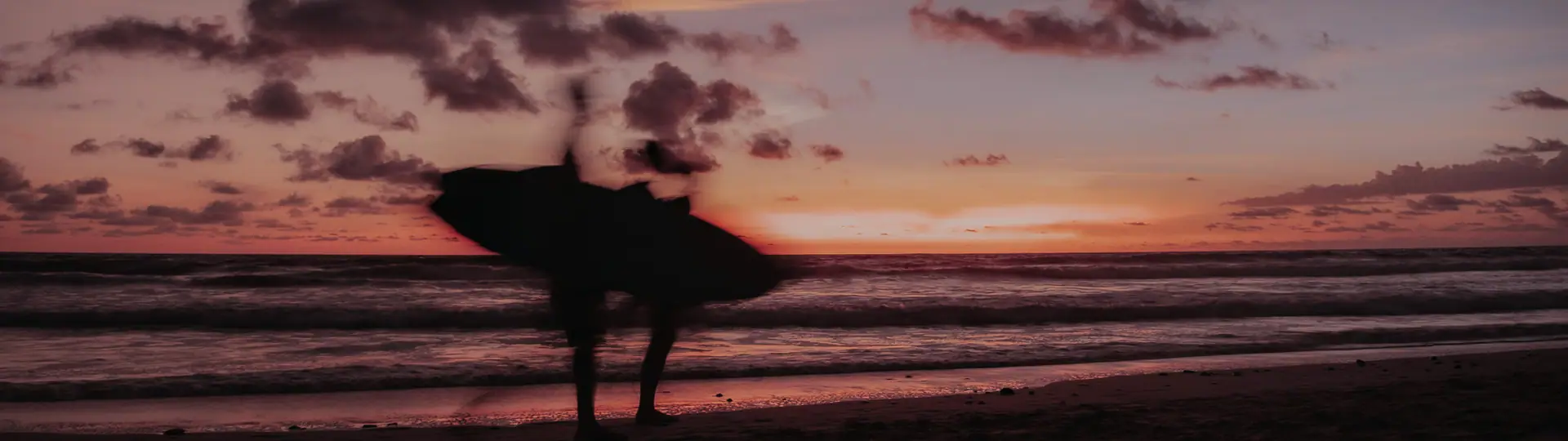
Ensure that the surrounding landscape provides for your specific hobbies, such as fishing, birdwatching, or surfing. Even in luxury settings, your personal satisfaction will be maximized if you remain active and engaged with the natural beauty surrounding you.
Practical steps for exploring potential properties
Finding your future home is an iterative process that requires time on the ground. Never settle for the first option you visit without seeing how the neighborhood breathes throughout different phases of the day.
Strategies for short-term rentals to test the area
Spend a few weeks staying in a local vacation rental to gauge the level of ambient noise and the general vibe of the area. This strategy lets you experiment with the best beachfront options in person, providing clarity that a brochure simply cannot match.
What to look for during a community site visit
Visit at different times, including a weekday morning to observe work traffic and a weekend evening to assess social energy. Note how common areas like those at, for example, Arcadia at Brasilito Beach Residences are maintained during your surprise site checks.
Tips for interviewing current residents away from sales staff
Politely strike up conversations at local cafes or markets with people living there for at least a year. Their lived-in experience will reveal truths about maintenance, utility stability, and local sentiment that you won't hear during a guided showing.
Evaluating neighborhood management and security protocols
Assess how security staff interact with guests and workers, as this sets the standard for the community's overall safety. A well-managed neighborhood should show clear signage of its rules, well-lit pedestrian pathways, and visible, professional management of its entry systems.
Conclusion
Choosing one of the available Costa Rica retirement communities is a transformative step toward a life built on tranquility and natural connection. By applying careful, proactive research to your property and regional selection, you can establish a fulfilling home that honors your legacy while embracing the vibrant, welcoming spirit of your new chosen environment.
Frequently Asked Questions
What are the main benefits of retiring in Costa Rica?
The country offers a combination of reliable year-round temperatures, high-quality public and private healthcare, and a famously relaxed pace of life that prioritizes social well-being over constant productivity.
Do I need to speak fluent Spanish to live in a retirement community?
While knowing some Spanish is highly beneficial for navigating government offices and local administration, many popular coastal expat hubs have a large population of English speakers, making day-to-day communication quite easy.
How does moving to a gated community affect property security?
Living in a gated development typically provides a centralized security layer that includes monitored gate systems, perimeter fencing, and professional management, which can offer significant peace of mind for part-time residents.
Are the costs of living lower than in the United States?
Compared to many North American retirement destinations, the cost of groceries, local dining, and basic services is often substantially lower, though imported goods and certain high-end amenities can be priced at international rates.
Is it difficult to obtain residency as a retiree?
Multiple visa programs, such as the Pensionado and Rentista, provide clear pathways for those who can prove consistent income levels. Most people work with a local lawyer to ensure their application meets all specific criteria correctly.
Can foreign citizens buy beachfront property?
Yes, foreigners have almost identical property ownership rights to citizens, including the right to fee-simple title on most types of real estate, provided they conduct proper due diligence before the purchase.
What should I check regarding internet and utility access?
Before finalizing any purchase, specifically ask to see the internet connection speed and history of power outages in the specific development, as reliable connectivity is becoming a standard feature to look for in all modern residential projects.
Updated July 26, 2026